Bathroom Remodeling Lakewood CA for Beautiful and Functional Homes
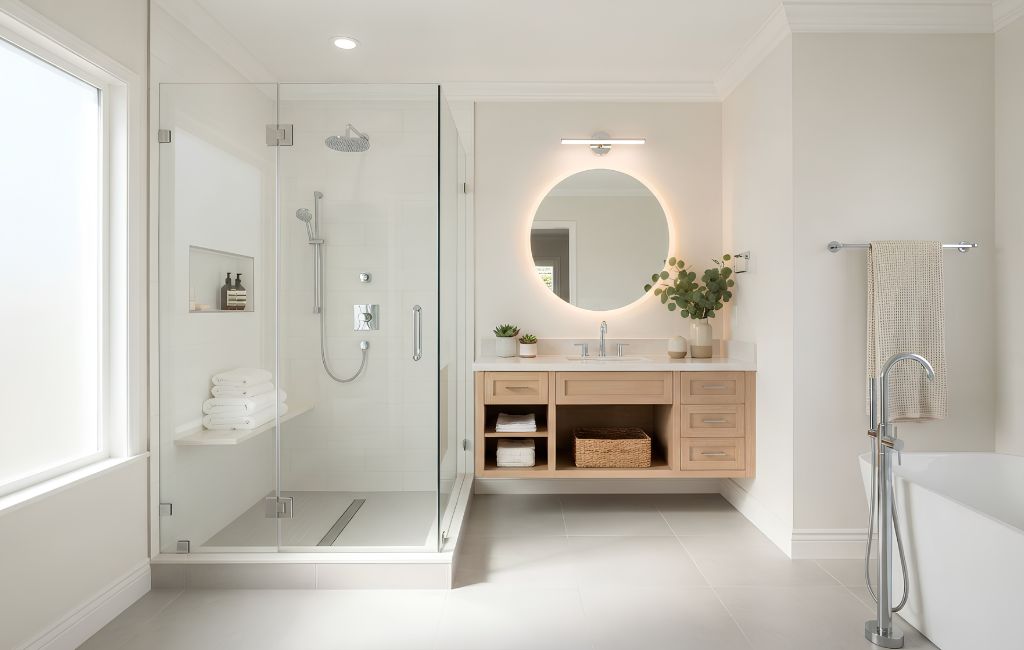
Homes in Lakewood, California, often reflect decades of residential development, where bathroom layouts were designed for practicality rather than modern comfort. Over time, changing household needs, aging materials, and updated building standards lead many property owners to explore renovation options that improve both function and durability. The topic of bathroom remodeling in Lakewood, CA continues to be relevant across many neighborhoods shaped by mid-century housing patterns and compact interior layouts.
Lakewood sits within Los Angeles County and connects through major corridors such as the I-605 and I-405 freeways. These routes influence access to construction materials and design resources from surrounding urban centers. Residential structures in the area often share similar architectural traits, including smaller bathrooms, limited storage space, and original plumbing systems that may require modernization.
Bathroom renovation projects vary widely in scope, from surface updates to full structural redesigns. The planning process typically begins with evaluating existing conditions and identifying functional limitations before selecting materials or layouts.
Planning and Evaluation Before Remodeling
Initial planning plays a central role in determining the direction of a bathroom renovation. Older homes in Lakewood frequently require a detailed assessment of plumbing lines, ventilation systems, and electrical capacity. These foundational elements influence what design changes are possible without major structural adjustments.
Space limitations are common in suburban homes built during earlier development phases. Bathrooms may include narrow layouts or fixed fixture placements that restrict redesign options. Careful evaluation helps determine whether improvements should focus on surface upgrades or deeper structural modifications.
Key Assessment Factors
Before selecting materials or layouts, several technical and practical elements are reviewed to avoid complications during construction.
- Condition of the existing plumbing infrastructure
- Ventilation efficiency and moisture control
- Electrical capacity for lighting and fixtures
- Structural limitations affecting layout changes
- Water usage efficiency of current fixtures
These factors shape the overall scope of the renovation and help determine whether the project remains cosmetic or becomes a full-scale remodel involving multiple systems.
Design Trends and Material Selection
Material choices and design direction influence both the durability and visual structure of a bathroom. In many Lakewood homes, moisture exposure and frequent daily use make durability a primary concern. Tile, engineered stone, and moisture-resistant wall systems are commonly selected due to their long-term performance in humid environments.
According to general construction references such as https://www.wikipedia.org, bathroom materials have evolved significantly alongside improvements in manufacturing processes and water-resistant technologies. These developments allow for more efficient designs that prioritize maintenance and longevity.
Lighting design also contributes to usability. Layered lighting approaches help balance brightness across different zones, particularly around mirrors and shower areas where visibility is essential.
Common Material Choices
- Porcelain or ceramic tile for flooring and walls
- Quartz surfaces for countertops due to durability
- Moisture-resistant drywall in enclosed areas
- Brass or stainless steel fixtures for corrosion resistance
Design decisions often reflect a balance between appearance and maintenance requirements. Smooth, non-porous surfaces reduce cleaning effort while improving resistance to long-term wear.
Budget Considerations and Project Scope
Bathroom remodeling costs vary significantly depending on material selection, labor requirements, and structural changes. Cosmetic updates such as repainting, fixture replacement, or lighting upgrades typically fall on the lower end of renovation complexity. Full remodels involving plumbing relocation or layout restructuring require higher investment and longer timelines.
General industry understanding suggests that bathroom renovations in the United States range from modest updates to higher-cost full replacements depending on scope. These variations are influenced by material quality, labor availability, and design complexity rather than fixed pricing models.
| Remodel Type | Typical Scope | Complexity |
|---|---|---|
| Surface Refresh | Paint, fixtures, minor updates | Low |
| Mid-Level Renovation | Tile replacement, vanity upgrade, partial plumbing work | Moderate |
| Full Reconstruction | Layout changes, plumbing, and electrical modifications | High |
Budget planning often includes allowances for unexpected structural conditions, particularly in older homes where hidden plumbing or wiring issues may appear once demolition begins.
Local Housing Context in Lakewood, CA
Lakewood’s residential development history influences the structure of many homes in the area. Built largely during post-war expansion, the city features uniform housing layouts with compact interior spaces. These design patterns often result in bathrooms that prioritize efficiency over spaciousness.
The city’s connection to regional infrastructure, including the I-605 and I-405 corridors, affects construction logistics and material availability. Proximity to nearby commercial hubs such as Long Beach supports access to suppliers, design centers, and skilled labor markets.
General housing patterns in suburban Southern California, as referenced in public information sources like https://www.wikipedia.org, show steady renovation activity due to aging housing stock and long-term home ownership trends. These conditions contribute to ongoing updates in interior spaces such as kitchens and bathrooms.
Housing Layout Characteristics
Many homes in Lakewood share similar structural traits that influence remodeling decisions.
- Compact bathroom footprints with limited expansion space
- Original plumbing systems in older properties
- Standardized floor plans from mid-century development
- Limited natural lighting in interior bathrooms
These characteristics shape how remodeling projects are approached, often prioritizing efficiency improvements and storage optimization rather than large-scale expansions.
Maintenance, Functionality, and Longevity
After renovation, long-term maintenance becomes a key consideration. Bathroom environments experience consistent exposure to moisture and temperature changes, which can affect surface materials and fixtures over time. Proper ventilation and regular upkeep help extend the lifespan of installed components.
Water efficiency is another factor influencing fixture selection. Modern faucets, toilets, and shower systems are designed to reduce water usage while maintaining performance standards. These improvements align with broader efficiency practices referenced in general financial and resource discussions, such as those found in https://www.investopedia.com.
Maintenance Practices
Simple maintenance routines help preserve both functionality and appearance after a remodel.
- Regular cleaning of tile and grout surfaces
- Inspection of plumbing connections for leaks
- Ventilation use after showers to reduce moisture buildup
- Routine checking of sealants around tubs and sinks
Consistent upkeep reduces the likelihood of long-term deterioration and helps maintain the structural integrity of bathroom surfaces.
Frequently Asked Questions
What is the first step in bathroom remodeling?
The process typically begins with evaluating existing plumbing, layout constraints, and structural conditions before selecting materials or design direction.
How long does a bathroom remodel usually take?
Timelines vary based on scope, with minor updates taking shorter periods and full renovations requiring extended construction phases.
Do older homes in Lakewood require special remodeling considerations?
Many older homes may require updates to plumbing and electrical systems to meet current building standards and support modern fixtures.
What materials are commonly used in bathroom renovations?
Tile, quartz surfaces, moisture-resistant wall systems, and corrosion-resistant fixtures are widely used due to durability and performance.
Final Thoughts
Bathroom remodeling in Lakewood involves adapting older residential layouts to modern functional standards through careful planning and material selection. Structural limitations and design choices shape the outcome of each renovation project.